
Animal Rights NGOs in Thailand

Quick answer: Animal rights NGOs in Thailand, such as Wildlife Friends Foundation (WFFT), rescue and rehabilitate captive animals and educate locals and tourists about wildlife. Thailand passed its first animal welfare law in 2014, but NGOs still play a big role in watching over animal welfare. AIP can help you look for an NGO internship in Thailand, and if we accept you and can't place you, you get your full deposit back.
For years, animals have been used for a variety of purposes in Thailand; labor, entertainment, domestic animals and consumption. In recent years, animals have been used more and more for entertainment purposes as the tourism industry in the country grew. As a result, many of the animals faced exploitation and abuse for the purpose of profit.
This led to the rise of animal rights organizations and groups in Thailand that defend and fight for the protection of these animals.
What are animal rights?
When it comes to defining animal rights, people have different opinions and standards as to what that constitutes. For the sake of clarity here, we will define animal rights as the belief that animals are entitled to their own existence and to live freely without exploitation for the purpose of entertainment, labor or other services to humans. With the growth of awareness regarding the way we treat animals, the implementation of international and national laws on animal rights has grown in strength as well.
What are the international and national animal welfare standards?
The World Organization for Animal Health (OIE, now called WOAH) is the World Trade Organization (WTO) reference organization for the standards of animal health and safety. These standards are internationally recognized and are regularly updated with the evolving knowledge regarding animal treatment.
These standards set in place aim to improve animal health and ensure safe international trade of animals and their by-products. It also aids in detecting, reporting and controlling pathogens that could travel across borders.

Figure 1. Woman holding a joey in her arms (Source: Pexels)
In 2014, the Animal Welfare Act was enacted in Thailand. It was the first law that was put in place to prosecute animal abuse and exploitation. It also brought more awareness and set the standards of how animals are to be treated in the country.
This act is a demonstration by the Thai government to align its policies and legislation on animal rights to OIE principles and standards. However, while this is a step forward, the Animal Welfare Act still lacks clarity and still does not meet the standards set forth in the OIE, especially in regards to animal slaughter, animal testing and the management of stray dogs.
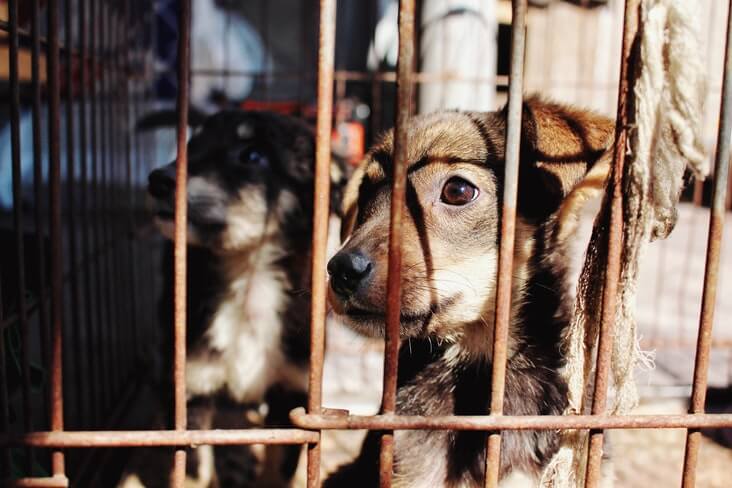
Figure 2. Puppy in captivity (Source: Pexels)
What do NGOs in Thailand do?
The development of NGOs has always greatly depended on the socio-political situation of a country. With the increase of privatization in society, government control of certain aspects of daily life has also diminished. This has resulted in more social and economic space for more independent groups to develop and flourish.
NGOs in Thailand are diverse and large in number. They are able to imbue the state and private sector with enough influence to stall or even reverse policies that could have a negative impact on the environment, and society.
The rise in the number of NGOs concerned with animal rights in Thailand has kept the government in check when it comes to animal welfare and policies on animal rights. One of these NGOs is called Wildlife Friends Foundation (WFFT).
What is Wildlife Friends Foundation (WFFT)?
WFFT is a non-governmental organization founded in 2001 by Edwin Wiek. Their mission is to rescue and rehabilitate domesticated and captive wild animals and provide veterinary assistance to sick/injured animals.
They also educate and encourage the locals, tourists and the international community to appreciate and protect wildlife and their natural habitats. Through their educational programs, WFFT aims to educate local communities, raise awareness among people and make them understand the consequences of their actions.

Figure 3. Monkey eating fruits at Ao Nang, Thailand (Source: Pexels)
AIP promotes organizations that protect and conserve wildlife and their environment. And we believe that the first step to achieve this is through education. It is only by educating the national and international public about the importance of protecting wildlife and teaching them what constitutes animal cruelty and exploitation.
Why intern with an NGO in Thailand?
The main goal of NGOs is to bring awareness and significant change to society, whether that be through advocacy, legal appeals or education. Interning with an NGO in Thailand will give you hands-on experience in the field you are passionate about. It will also offer you a chance to meet new and different people from diverse backgrounds, with interesting stories and a similar appetite for social justice.
AIP will assist and facilitate your search for the perfect internship with an NGO in Thailand. Conservation of wildlife and their habitat is important for the protection and development of the environment. That is why AIP looks for an NGO internship that fits your skills and goals, so you can get an impactful experience. If we accept you and can't place you, you get your full deposit back.
Being an intern in a Thai NGO will mean that you will be a jack of all trades. Your role in a non-profit organization will constantly be diverse and exciting. This will promise that you will be well-versed in a variety of skills.
Most importantly, you will make a huge impact even as an intern. Organizations working in this field are very passionate and dedicated to their work. Therefore, working and applying your skills in conservation and defending animal rights will be beneficial and long-lasting in its impact.
With AIP, we look to connect you with an NGO in Thailand that is not only passionate about animal welfare and rights but also strives to educate the local and international community about the importance of protecting wildlife and the environment.
Apply to AIP
Make a difference by interning with an NGO in Thailand. AIP can help you look for an NGO internship that fits your skills and interests. Visit our website, have a look at our programs and book a free call with a career advisor.
FAQs
What do animal rights NGOs in Thailand do?
They rescue and rehabilitate captive and domesticated animals, give veterinary help to sick or injured animals and run education programs for locals, tourists and the international community.
What is Wildlife Friends Foundation (WFFT)?
WFFT is a non-governmental organization founded in 2001 by Edwin Wiek. Its mission is to rescue and rehabilitate captive wild animals and domesticated animals, and to educate people about protecting wildlife and natural habitats.
Can I intern with an animal rights NGO in Thailand?
AIP can help you look for an NGO internship in Thailand that fits your skills and goals. Our host companies work in English, and if we accept you and can't place you, you get your full deposit back.
What visa do I need for an internship in Thailand?
The right visa for an internship in Thailand depends on your passport and how long you stay, and we confirm it with you before you pay the deposit. Visa assistance is included in every program.
Are NGO internships in Thailand paid?
Most international internships in Thailand are unpaid. Budget for food, local transport and personal spending on top of your program fee.
Want to know more about living and working in Bangkok or Phuket? See our Thailand internship page.
Thinking about interning in Asia?
Browse destinations, then apply. It's free to apply, and you only pay a deposit once we accept you.
 Tyler Beauchamp