
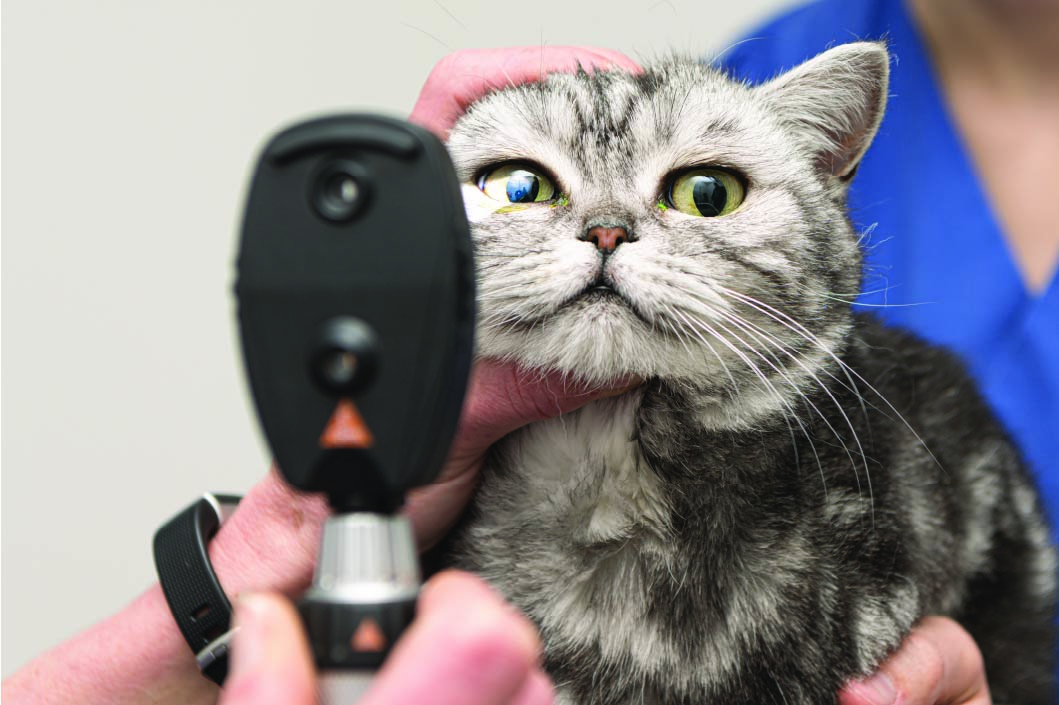
Veterinary science internships in Asia and beyond
Observe and assist vets in clinics, shelters and wildlife centers.
Overview
What the internship is about
Veterinary hosts include small-animal clinics, animal hospitals, welfare shelters and wildlife rescue centers. You work alongside licensed vets: preparing exam rooms, holding animals during check-ups, helping run vaccination days and sterilization drives, and keeping treatment records. In some placements, you also help with rabies awareness work in schools and villages. Everything clinical stays with the vet; you observe, assist and learn the routine.
Days start early with feeding and ward rounds, followed by clinic hours; outreach trips can fill a whole day. India and Nepal are our strongest destinations, both with busy shelters and rescue centers.
Why do it
What you'll get out of it
Join projects that improve animal health and welfare, from sterilization drives to adoption days. You see how shelters and welfare groups keep animals healthy on small budgets.
Spend time in a working clinic and observe diagnostics, treatment and surgery up close. You learn the routine of a veterinary practice and how vets explain care to owners.
Support research on topics such as disease prevention, vaccination coverage or new treatments. You learn how field data and clinic records turn into findings vets can use.
Your role
Assist with routine and emergency care for animals, from pets to wildlife, under vet supervision.
Work with vets to see how illnesses are diagnosed and treatment plans are made.
Join community programs that teach animal health and bring care to rural areas.
Where to go


This is where we have the most host companies in this field, but you can do it in any of our destinations. See all destinations
Where you can do this
Prices
How much it costs
FAQ
Your questions, answered
What will I do on a veterinary internship?
You'll work alongside licensed vets in clinics, animal hospitals or wildlife and welfare centers. Expect to observe and help with check-ups, animal handling, cleaning and lab work, always under supervision.
Do I need experience to get a veterinary internship?
No. Pre-vet, vet nursing, vet tech and vet students can all join. You won't do anything that requires a license.
What skills and tools will I use?
You'll learn animal handling, basic lab tests and clinic routines. Bring 2 or 3 sets of scrubs and closed, non-slip shoes; the clinic provides medical equipment.
Where can I do a veterinary internship?
Popular destinations for veterinary internships include India and Nepal. Tell us where you'd like to go and we'll check what's possible.
Can I get university credit for my internship?
Yes, if your university accepts it: we provide the documents it needs (internship agreement, placement confirmation, supervisor evaluation and a host certificate of completion). Your university decides whether to give credit, and how much.
How much does it cost, and is it paid?
Programs start from $2,050 for 6 weeks on Explorer, depending on where you go. Most internships are unpaid.
In depth
- Observe and help vets during check-ups and treatments.
- Hold and calm animals during exams, with a vet guiding you.
- Help with basic lab work, such as preparing samples.
- Keep kennels, treatment rooms and equipment clean.
- Help feed and care for animals at welfare or wildlife centers.
- Update animal records and treatment notes.
- Handling animals safely, from pets to, in some placements, larger or wild animals.
- Basic lab tests and how a clinic runs day to day.
- Hygiene and infection control routines.
- Staying calm and careful in a busy clinic, always under supervision.
- Talking with owners and staff across a language and culture gap.
- A clearer idea of where you fit: clinic work, wildlife or animal welfare.
- India: healthcare and non-profit work are among our main fields.
- Nepal: placements are mainly in Kathmandu.
Intern stories
Hear it from our interns
Applications open all year
Your field, somewhere new.
It's free to apply, and you only pay a deposit once you're accepted.