Life in Singapore as an Intern: Costs, Transport, Food
Quick answer: Life in Singapore is clean, safe, fast and well connected, but it is also one of the most expensive cities in Asia. Rent is your biggest cost, while hawker food and public transport keep daily spending manageable. English is widely used, so settling in is easy for most students and interns.
What Singapore feels like day to day
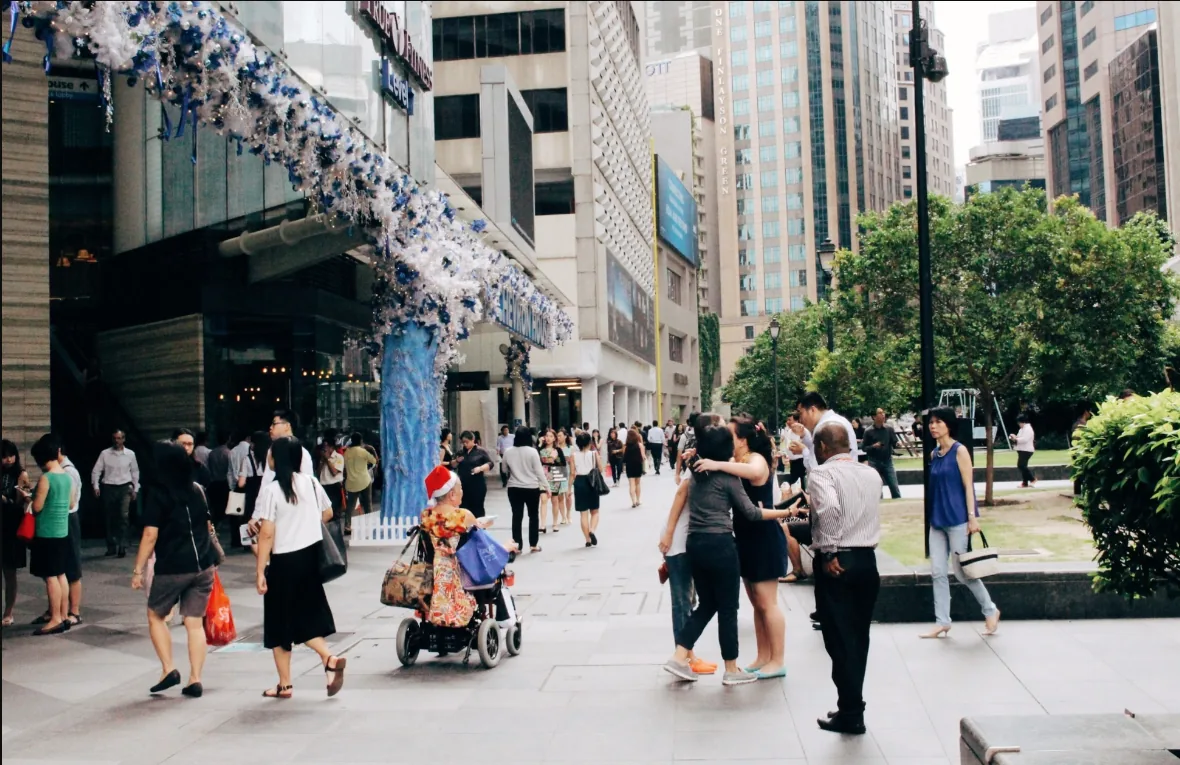
Singapore is a small island city-state, so everything is close. You can go from a glass office tower to a park or a food court in minutes. The city feels orderly and efficient, and it is also very multicultural. Chinese, Malay, Indian and other communities live side by side, and you will see this in the food, the festivals and the street signs.
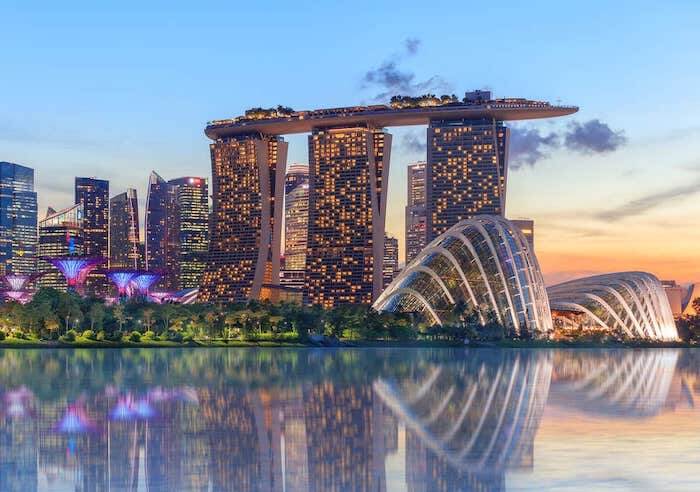
It is also hot and busy. Expect a fast pace, lots of air conditioning and a strong work culture. Many large companies run their regional offices here, which is one reason so many interns want to come. For visas and how to get placed, see our guide to getting an internship in Singapore.
Neighborhoods and where people live
Most locals live in public housing estates, often called HDB flats, in towns like Tampines, Jurong and Woodlands. These areas are green, practical and well served by trains, buses, malls and food courts. They are usually cheaper than the center.
The central areas feel different. The business district around Raffles Place and Tanjong Pagar is full of offices and bars. Orchard is the main shopping strip. Little India and Chinatown are busy, colorful and great for cheap food. The best choice is a place near an MRT station on a line that reaches your office.
If you join an AIP Traveler or Pioneer program, your vetted housing is arranged for you and is within about an hour of your office by public transport. Explorer does not include housing, so you arrange your own.
Getting around: MRT, buses and cards
Public transport is one of the best things about living here. The MRT and LRT trains and the buses cover the whole island, and trains run frequently.

- Cards: you can tap in with an EZ-Link style stored-value card, or with many contactless bank cards and mobile wallets through the SimplyGo system. Check that your own bank card works before you rely on it.
- Fares: adult fares on buses and trains are distance based. They currently start at about S$1.30 (around US$1) for a short trip and rise to about S$2.60 (around US$2) for the longest trips. The Public Transport Council reviews fares every year, so check the latest fares before you go.
- Taxis and ride apps: these cost much more than trains, so most interns use them only late at night or in a rush.
Food: hawker centers and eating out
Hawker centers are open-air food courts with dozens of stalls. They are the heart of everyday eating in Singapore. Try Hainanese chicken rice, laksa, kaya toast with kopi (local coffee), char kway teow and chili crab if you want a bigger treat.
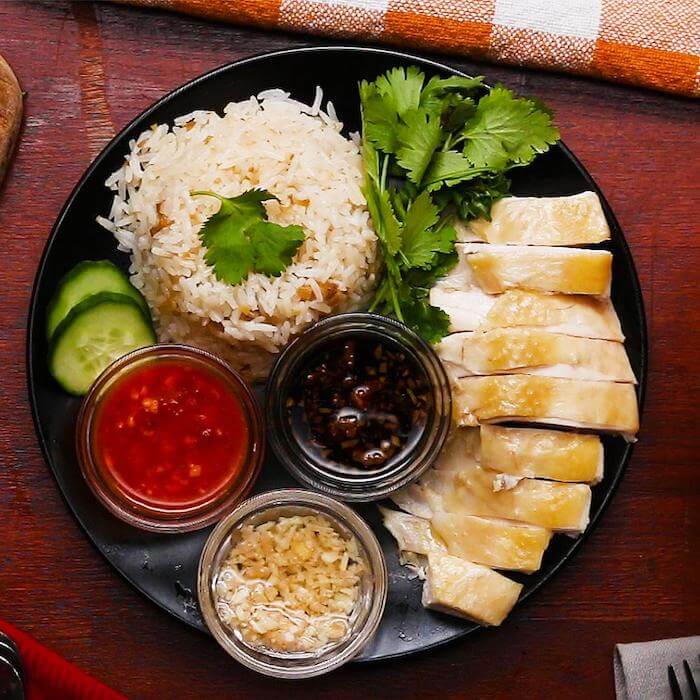
- A simple hawker meal with a drink usually costs about S$4 to S$8 (roughly US$3 to US$6).
- A sit-down cafe or restaurant meal often costs several times more.
- Alcohol is heavily taxed, so nights out can add up fast.
These are rough ranges. Prices rise slowly and vary by area, with food courts in the business district usually costing more.
How much does life in Singapore cost?
Rent is the biggest part of your budget. A common room in a shared flat often costs roughly S$900 to S$1,600 a month (around US$700 to US$1,200), depending on the area and how close it is to the center. Food and transport together are usually much smaller than rent if you eat at hawker centers and use trains and buses.
Many internships are unpaid, though some companies pay a small allowance. With AIP Traveler and Pioneer, your housing is covered upfront, which removes the largest cost surprise. You can see what each program includes on our pricing page.
Rules and etiquette to know
Singapore is relaxed in many ways, but it enforces its rules. Learn these before you land.
- Littering: a first offense usually brings a fine of S$300 (about US$230), and court cases can lead to higher fines and corrective work.
- MRT: eating and drinking, even water, is not allowed in stations or on trains, and you can be fined up to S$500 (about US$385).
- Chewing gum: the sale and import of most chewing gum is banned. Chewing it is not an offense, but do not bring it in. Some dental and therapeutic gums are allowed.
- Vaping: e-cigarettes and vapes are banned, including bringing them in, and the penalties are heavy.
- Manners: queue properly, give up priority seats, keep your voice down on trains and be on time for work.
If you are curious about local beliefs and festival customs across the region, our post on Asian superstitions to know before you visit is a good short read.
Weather
Singapore sits just north of the equator, so it is hot and humid all year. Daytime highs are usually around 31 to 33 degrees Celsius, and nights are warm. Rain comes in short, heavy showers throughout the year, with the wetter monsoon season running from roughly December to early March. Pack light clothes, a small umbrella and something warmer for the freezing air conditioning indoors.
Languages and Singlish
English, Mandarin, Malay and Tamil are the four official languages. English is the main language of business, school and signs, so you can work and live in it without trouble. Singlish is the casual local mix of English with Malay, Chinese dialects and other languages. You will hear words like "lah" at the end of sentences. Listen first, then use a few phrases with friends. In meetings and emails, stick to standard English.
Weekends and things to do
- Walk through Gardens by the Bay and the Botanic Gardens.
- Eat your way around Chinatown, Little India and Kampong Glam.
- Take a short trip to Sentosa for beaches.
- Hike or cycle through green spaces and nature parks.
- Use the city as a hub for cheap regional trips to Malaysia or Indonesia, where daily costs are lower.
Is Singapore safe?
Yes. Singapore has very low crime and is widely seen as one of the safest places in Asia. Walking home late is common. Keep your phone and wallet secure in busy places, and know the emergency numbers. Every AIP program includes 24/7 emergency support.
FAQs
Is Singapore expensive for students and interns?
Yes. It is one of the most expensive cities in Asia, and rent is the biggest cost. Food can be cheap if you eat at hawker centers, and public transport is reasonably priced. Many internships are unpaid, so plan your budget before you go.
Do I need to speak Mandarin or Malay in Singapore?
No. English is one of four official languages and is widely used at work, in schools and in shops. Locals also speak Mandarin, Malay and Tamil, and many mix them into Singlish. A few local words will help you fit in, but you can manage in English.
Is Singapore safe for foreigners?
Yes. Singapore has a very low crime rate and is generally considered one of the safest cities in Asia. Use normal city sense with your phone and bag. The bigger risk is breaking a local rule by accident, so learn the basics before you arrive.
Can I use my bank card on the MRT and buses?
Usually yes. Singapore's SimplyGo system accepts many contactless Visa, Mastercard and other bank cards and mobile wallets on buses and trains, as well as EZ-Link style stored-value cards. Check with your bank about foreign transaction fees, or buy a local card if you prefer.
What is the best way to find housing in Singapore as an intern?
Rooms in shared flats are the usual choice, and rent takes up most of your budget. If you join an AIP Traveler or Pioneer program, your housing is arranged for you and is within about an hour of your office by public transport. Explorer does not include housing.
Ready to plan your placement? Read our full guide to interning in Singapore or see our Singapore destination page.
Thinking about interning in Asia?
Browse destinations, then apply. It's free to apply, and you only pay a deposit once we accept you.
 Kate Myat Noe