Environmental Internship in Singapore
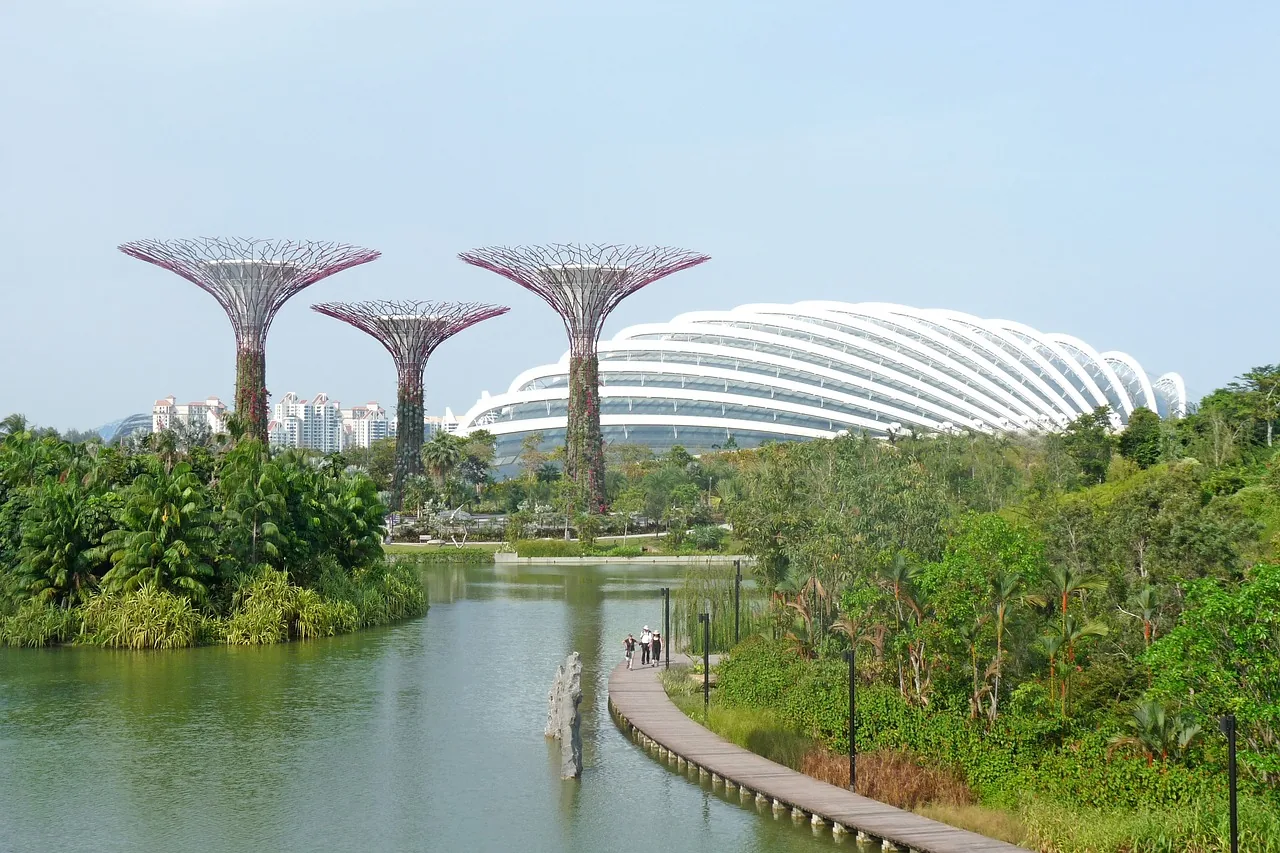
Quick answer: An environmental internship in Singapore lets you work on water management, conservation, research and sustainability projects in one of Asia's greenest cities. You can start any time of year and intern from 6 to 24 weeks. Roughly 25 to 35 hours a week is common. A science background helps but is not the only route in.
Climate and environment changes are no longer abstract concepts. They have now become a reality across the globe.
With environmental resources becoming more vulnerable than ever to degradation, the role of environmental resource management specialists has also become ever more important.
If you are attracted by the prospect of 'green jobs', then an environmental internship in Singapore would be right up your alley.
The best time to pursue it would be while you are enrolled in the university for your degree in environmental education.
You can plan for an environmental internship in Singapore during your next summer break.
But is an environmental internship in Singapore only for those who see themselves making a career in the environmental sector?
What about those who may not necessarily want to build a career in the sector, but are just conscious toward the environment and would like to do their bit in its conservation?
The great thing about an environmental internship in Singapore is that it accommodates both career-minded and environment-conscious people alike.
Just remember to bring your genuine passion for protecting the environment for an environmental internship in Singapore, and you'll find yourself set for a life-changing experience.
How Do You Plan A Career In The Environment Sector?
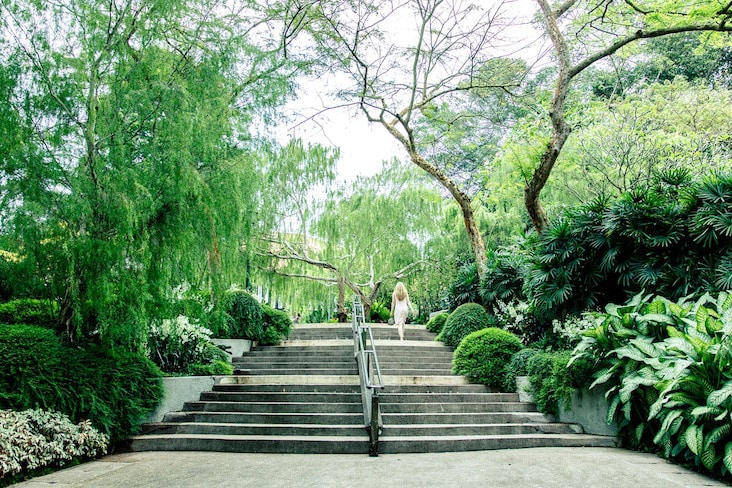
Let's shift the focus back to people who are interested in taking things a bit further and making a living out of protecting Mother Nature.
Having a bachelor's and also preferably a master's degree in relevant subjects can help you fare better during your environmental internship in Singapore.
A solid scientific background, with knowledge in subjects related to fields like biology, chemistry, geography, geology, geophysics, natural/environmental science, etc. will increase your chances of landing a Singapore internship with a reputable organization in the environment sector.
You should also try to gain proficiency in areas like data analytics, computer modeling, Geographic Information Systems, and technical writing.
All these skills and knowledge will make you contribute more to your environmental internship in Singapore.
Why Do An Environmental Internship In Singapore?
Doing an environmental internship overseas has its own advantages. The environment is a very comprehensive subject to study.
The conservation practices and sustainability challenges vary from country to country and culture to culture.
It is best to build up a wide-ranging knowledge base and practical experiences during the course of your career. An internship in Singapore is one way to do that.
Issues like environment protection extend far beyond your local surroundings anyway. A blinkered approach to this issue wouldn't work.
On the contrary, a global perspective will help you customize and implement best practices for your local area needs.
As part of your environmental internship in Singapore, you will get to:
- Work with local and international scientists on interesting fieldwork projects.
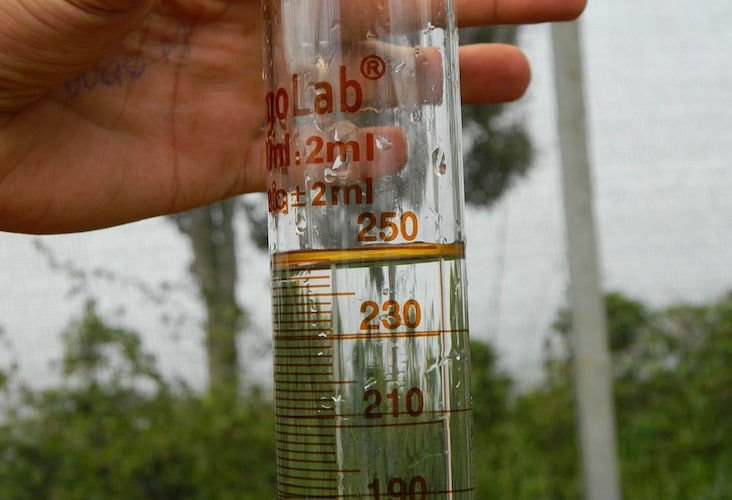
- Conduct tests and experiments (example soil and water tests), and document and interpret the findings.
- Campaign and educate different communities about environment conservation.
- Research environmental protection policies and work on their implementation.
- Study and monitor the habitats of certain species to gather useful data.
- Plan programs like fund-raising events and other organizational efforts.
- Participate in research projects and translate your scientific knowledge into more practical learning.
Your educational background and skill set will play a big role in determining your responsibilities during your Singapore internship.
What Are The Working Hours?
Working 25 to 35 hours per week is a common norm for the environmental internship in Singapore. But specific work, like a research project, may demand of you some extra hours.
How Did Singapore Become A Green City?
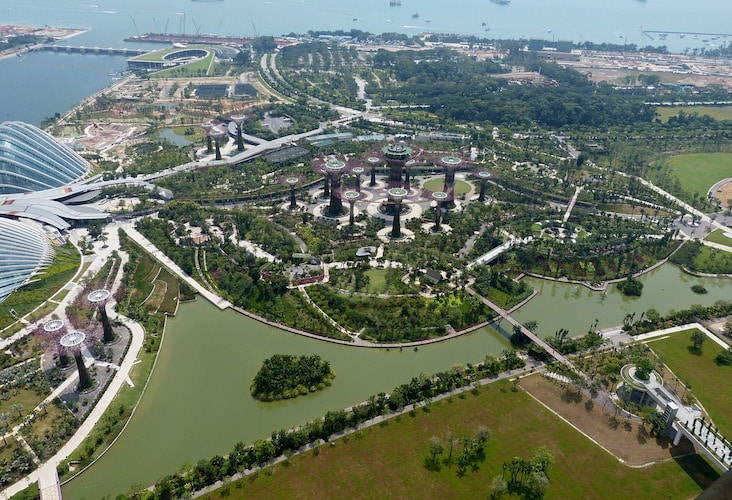
The large and increasing population of Singapore and their high living standards are pitted against the country's limited natural resources.
Nevertheless, Singapore has overcome its challenges of water scarcity and environmental degradation in a big way over the years.
These highlights of Singapore's excellence in environment sector will self-explain why an environmental internship in Singapore is superb for learning how to combat environmental challenges.
- The 1960s was a tough time for Singapore, with regards to the management of its water resources. Not anymore though. Singapore has since then developed innovative water treatment and management technologies, like seawater desalination and water reclamation.
- Singapore promotes itself as a 'Global Hydrohub', and many local and international water companies and research centers are based there.
- The water and environment industry in Singapore is paced for consistent growth. Not just the water companies, Singapore also boasts of several environmental organizations and private research centers. The companies are not limited to international giants, there are also many local ones who have managed to break into the global landscape.
- Singapore is actively promoting the growth of the environment industry, especially in areas such as pollution control, waste management, and environmental consulting.
- Singapore is also investing in research on cleaner energy, such as solar power, as part of the Singapore Green Plan 2030.
The way Singapore has risen, and still continues to do so, above its environmental challenges is a lesson for the world. Partake in this lesson first-hand by leveraging the opportunity of a Singapore internship.
What Nature Can You Enjoy In Singapore?
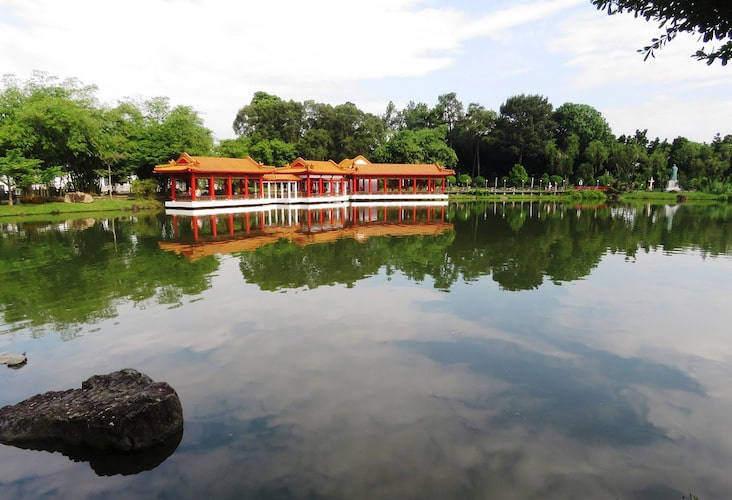
During your internship in Singapore, what will strike you the most is how despite being a buzzing metropolis, the city is covered with a blanket of lush greenery.
The sky-rise buildings and state-of-the-art infrastructure co-exist peacefully with a wide range of flora and fauna.
Singapore has four nature reserves and hundreds of parks, many of them linked by park connectors. You'll find pockets of greenery evenly spread throughout the place.
Singapore has done a commendable job in keeping the biodiversity and a modern urban life connected with each other.
As and when you can steal some leisure time from your internship, do visit some popular natural and wildlife attractions like Gardens by the Bay, Singapore Botanic Gardens, National Orchid Garden, MacRitchie Nature Trail, Bird Paradise (formerly Jurong Bird Park), Flower Dome, the Chinese and Japanese Gardens (reopened in 2024 as part of Jurong Lake Gardens), Cloud Forest, Singapore Zoo, River Wonders (formerly River Safari), and the Southern Ridges.
So you see, during your environmental internship in Singapore you will not only learn about the best ways to conserve nature, but you will also get to see and explore some of the most picturesque natural beauty.
An environmental internship in Singapore gives you the opportunity to completely immerse yourself in the wonders of nature and develop an understanding of how to preserve these for the generations to come.
FAQs
Who can do an environmental internship in Singapore?
Anyone aged 18 or over can apply, whether you are a student, a graduate or changing careers. A background in biology, chemistry, geography or environmental science helps, but a genuine interest in the environment matters too. Singapore has strict visa rules, so we check your eligibility before you enroll.
What will I do during an environmental internship in Singapore?
Your tasks depend on your skills and host company. Typical work includes fieldwork, soil and water tests, research on environmental policy, community education and planning events. You may also help with data analysis and technical writing.
How many hours a week do environmental interns work?
Roughly 25 to 35 hours a week is common, though a research project can need extra hours. Your host company confirms the schedule.
Is an environmental internship in Singapore paid?
Some companies pay a small allowance, but many internships in Singapore are unpaid. Budget for food, transport and personal spending.
How early should I apply?
Finding your placement takes about 8 weeks from your deposit, so apply with a start date at least 12 weeks away. If your start date is less than 12 weeks away, you need AIPx Fast Track. For summer, apply earlier. Start with a free call with a career advisor.
Ready to start? Read about internships in Singapore, check pricing, or apply now. You can also learn more about environmental internships.
Thinking about interning in Asia?
Browse destinations, then apply. It's free to apply, and you only pay a deposit once we accept you.
 Daniele Cosentino