
7 Student Friendly Cities In Japan
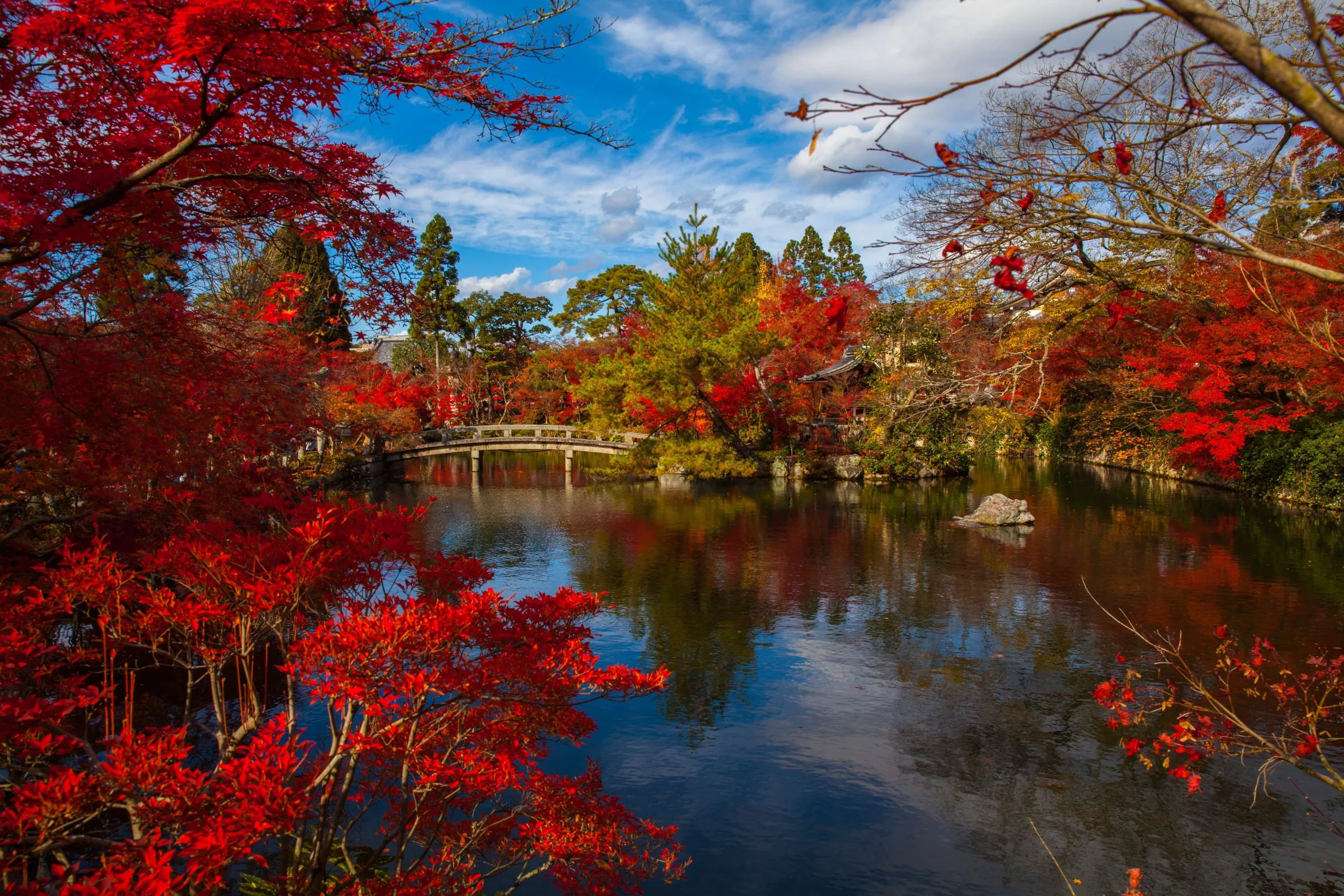
Quick answer: The seven most student-friendly cities in Japan are Tokyo, Osaka, Kyoto, Fukuoka, Hiroshima, Sapporo and Yokohama. Tokyo is the fastest paced, while Fukuoka, Sapporo and Yokohama usually cost less to live in. Kyoto and Hiroshima suit history lovers, and Osaka is known for food and fun.
There are so many wonderful cities in Japan. Some have beautiful countryside, while others are set in the glamorous city lights.
Deciding which city is for you might be a tough task. However, being a student in some of Japan's great cities has its own benefits.
For instance, if you can't decide which school to attend you may look to see what city has the best advantages for your personality or lifestyle.
This is not rare or uncommon, thousands of students are faced with this decision every year.
It's important for you to gather as much information as you can so that you can make a well-informed decision on what city you would like to be in.
Here are seven student-friendly cities in Japan.
1. Tokyo (Japan's Capital)
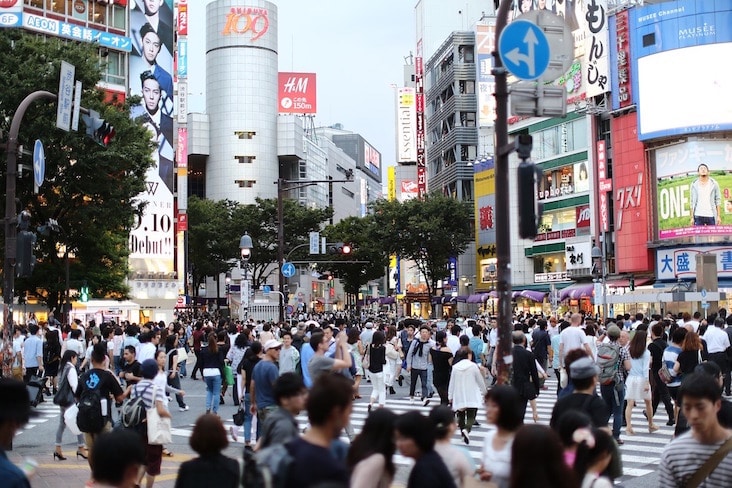
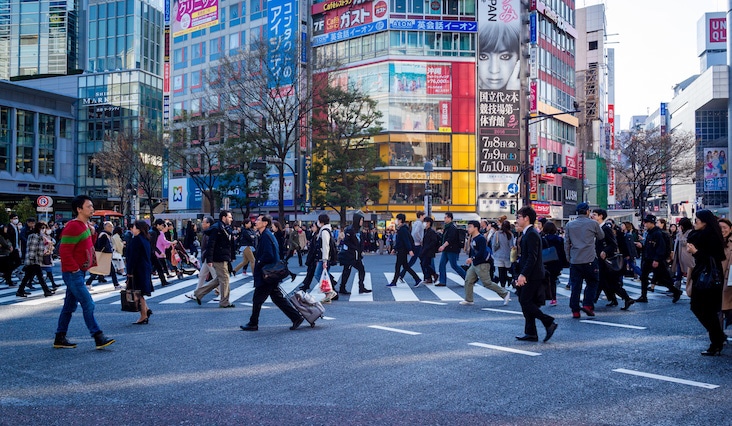
Tokyo is where all of the hustle and bustle is in Japan, especially in springtime where travelers gather from all over the world.
If you are a fan of New York City or dream about living a New York City lifestyle, Tokyo is the place to look.
There are hundreds of shops and restaurants that will make any school experience wonderful.
Being a tourist in Tokyo is also relatively simple as it attracts thousands of foreign visitors every day.
Public transportation makes it super simple to get around although it is very crowded.
If fast-paced, on-the-go living is what you're looking for as a student, Tokyo is the best place to stay!
2. Osaka (Osaka Prefecture, Kansai Region)
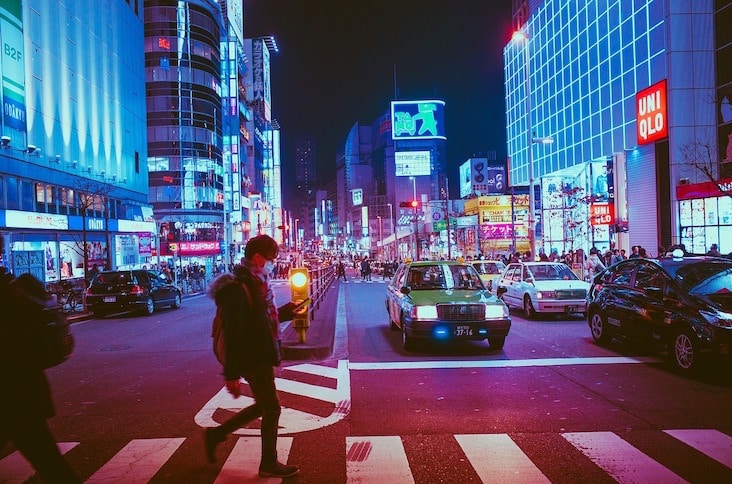
Osaka is not as lavish and well-known as Tokyo. However, the city of Osaka boasts an immaculate charm that is often forgotten.
From the giant Ferris wheel to one of the world's largest aquariums, there is plenty to do in Osaka.
The food is equally as fantastic as Tokyo and may be served with a little more charm. Osaka should definitely make your list.
3. Kyoto (Kyoto Prefecture, Kansai Region)
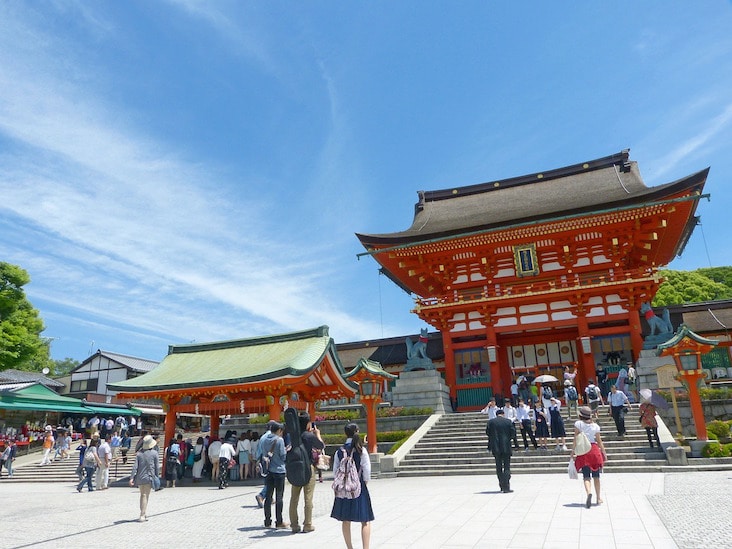
Kyoto is the historical epicenter of Japan. It's not nearly as modern and involved in pop culture as Tokyo.
Kyoto offers great historical attractions such as museums, gardens and spectacular historical buildings that give you a true perspective of ancient Japanese architecture.
Modern amenities such as transportation are well established so getting around should be a breeze.
Additionally, the cost of living is much cheaper than Tokyo and gaining a historic Japanese perspective while studying will make your time in Kyoto worth it.
Kyoto is believed to be one of the most beautiful cities in all of Japan.
4. Fukuoka (Fukuoka Prefecture, Kyushu Region)
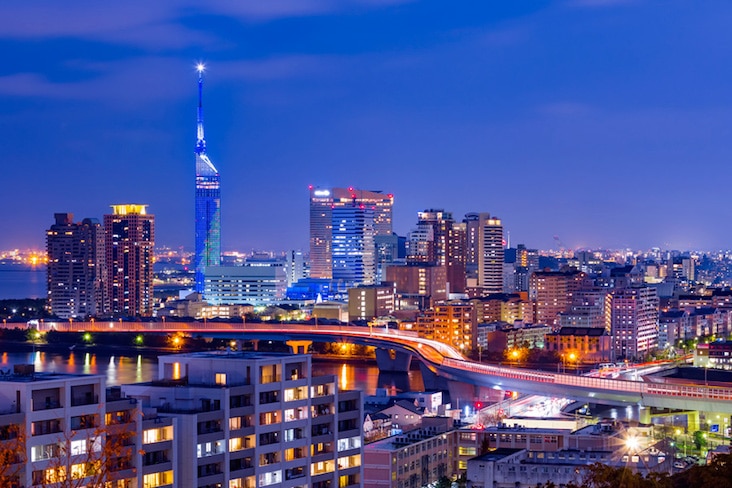
A truly enchanted city. Fukuoka is the largest city in southern Japan. Fukuoka is comprised of two cities that merged, Fukuoka and Hakata.
The same nightlife and shopping experiences exist in Fukuoka that you may be looking for in other major Japanese cities.
If you love ramen, then you need to be here. Fukuoka is home to some of the tastiest ramen in all of Japan.
If you want to save some money compared to Tokyo and surround yourself with more locals, Fukuoka is a great place to look.
5. Hiroshima (Hiroshima Prefecture, Chugoku (San'yō) Region)
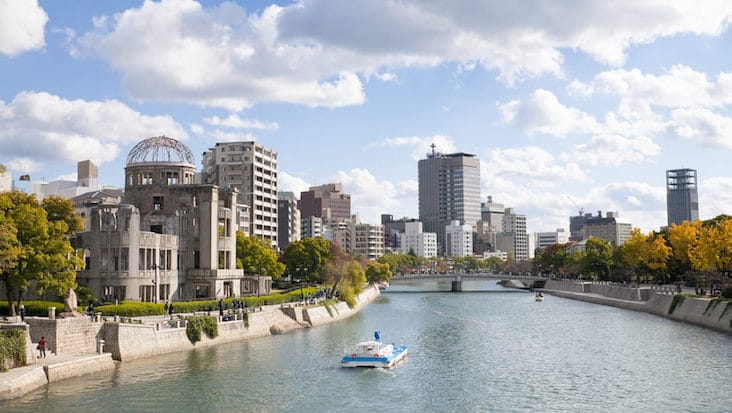
Hiroshima is famous in western culture for the atomic bomb that was dropped on the city in 1945.
However, this city still has a thriving historical presence. Miyajima, a small island off the coast of Hiroshima, is one of the most spectacular places in all of Japan.
Not known for much western culture presence, Hiroshima is wonderful if you consider yourself a history buff.
6. Sapporo (Hokkaido Prefecture, Hokkaido Region)
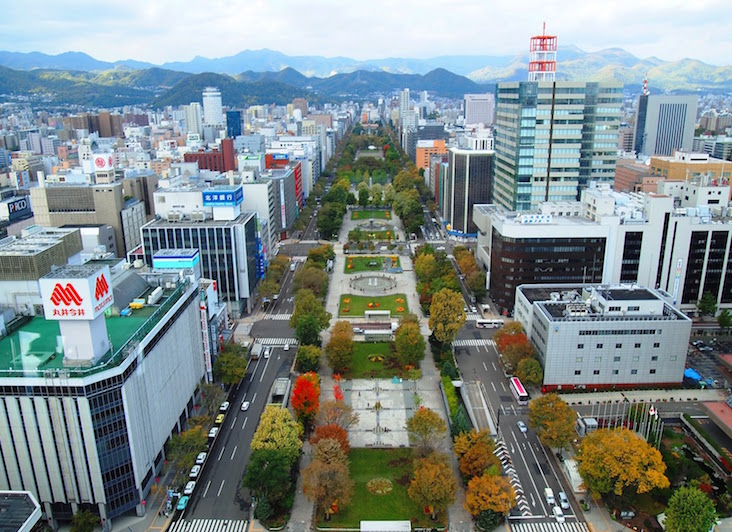
If you are into mild summers and being immersed in true Japanese culture without all of the foreigners, Sapporo is the spot for you.
Sapporo has a cost of living that is roughly 30% lower than Tokyo, so check the linked site for current figures.
Furthermore, it is home to some of the best ski resorts in the entire world.
You can also beat the heat in Sapporo. It has very mild summers but that comes at a cost during the winter, often getting below freezing temperatures.
7. Yokohama (Kanagawa Prefecture, Kantō Region)
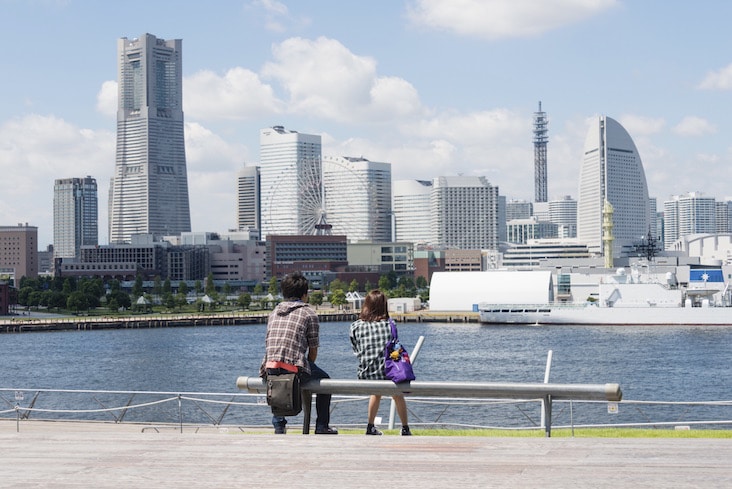
Yokohama boasts the second largest population in Japan. Although it is fairly large, it is considered a bit slower-paced than that of its counterpart, Tokyo.
Expenses can be dramatically reduced by becoming a student in Yokohama compared with Tokyo as the cost of living is significantly cheaper.
A trip to the big city, Tokyo, is only about a 25-minute train ride away.
Yokohama is one of our favorite choices as you may get roughly double the living space for about two thirds of the price.
You can plan a trip to Tokyo anytime you want because it's so close!
Opportunities In Japan Are Endless!
Becoming a student is never an easy choice.
The best part about making your decision is that there are so many wonderful cities and opportunities in Japan, including working experience and internship for international students.
If you have a specific want such as modern and trendy, then Tokyo might be the best choice for you.
However, if you want the same feel as Tokyo but at roughly two thirds of the cost, Yokohama might be the best choice for you.
If skiing and mild summers are on the top of your list, you would be truly remiss if you didn't head to Sapporo.
There are many excellent options to be a student in some amazing Japanese cities.
Explore An Internship In Japan
Not only are these 7 cities ideal destinations for international students to study, but also to explore internship opportunities.
With studies conducted in Japan along with international working experience, you will put yourself in a great position to further advance your professional career.
Some popular industry fields in Japan you can pursue are Information Technology, Engineering, and Import & Export.
If you're interested in doing an internship in Japan, click on the "Apply Now" button below, or on "Learn More" for further details.
FAQs
Which is the best city in Japan for international students?
It depends on your style. Tokyo suits fast-paced city life, Kyoto suits history and culture, and Fukuoka, Sapporo and Yokohama are usually cheaper than Tokyo. Pick the city that matches your budget and lifestyle.
Which Japanese city is cheapest for students?
Fukuoka, Sapporo and Yokohama usually cost less than Tokyo, and Kyoto is generally cheaper too. Prices change, so check a current cost of living site before you decide.
Can I do an internship in Japan as an international student?
Yes. AIP arranges internships in Japan, currently in Tokyo with Osaka and Kyoto launching, with host companies that work in English. You need to be 18 or over, and you can start any time of year for 6 to 24 weeks. Most international internships are unpaid, and if we accept you but can't place you, you get your full deposit back.
When should I apply for an internship in Japan?
Finding your placement takes about 8 weeks from your deposit, so apply with a start date at least 12 weeks away. If your start date is less than 12 weeks away, you need AIPx Fast Track. For summer, apply earlier. Finding your placement takes about 8 weeks from your deposit, and AIPx is a faster option with a first host company interview within 21 working days.
Ready to explore Japan? See our Japan internship page or read how AIP works.
Thinking about interning in Asia?
Browse destinations, then apply. It's free to apply, and you only pay a deposit once we accept you.
 Daniele Cosentino